
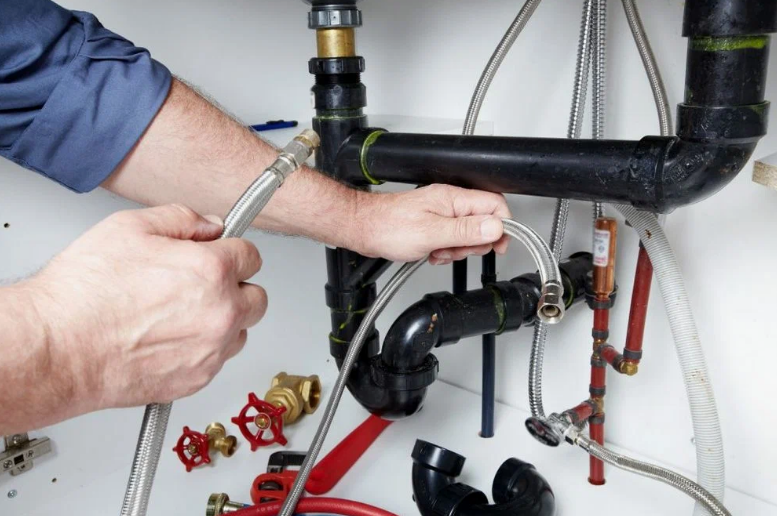
Plumbing services cover the installation, repair, maintenance, and upgrading of water supply and drainage systems in homes and commercial buildings. A well-maintained plumbing system ensures clean water flow, proper drainage, and protection from leaks or water damage.
Whether you are dealing with a leaking pipe, planning a bathroom upgrade, or scheduling routine maintenance, professional plumbing services help keep your system efficient, safe, and long-lasting.
This guide explains plumbing repair services, maintenance work, upgrade options, system types, cost factors, and common plumbing issues every homeowner should understand.
What Are Plumbing Services?
Plumbing services include all work related to water supply systems, drainage systems, and fixtures such as sinks, toilets, showers, and water heaters.
In simple terms, plumbing services ensure water enters and exits your home safely and efficiently.
A professional plumbing company handles everything from minor leaks to full system installations.
Types of Plumbing Services
Plumbing services are generally divided into three main categories: repairs, maintenance, and upgrades.
Plumbing Repair Services
Plumbing repair services fix existing problems in the system such as leaks, blockages, or broken fixtures.
Common repair services include:
- Pipe leak repair
- Faucet and tap repair
- Toilet repair and replacement
- Drain unclogging
- Water heater repair
- Sewer line repair
Even small plumbing issues can grow into major damage if not fixed early, which is why timely repair is important.
Plumbing Maintenance Services
Plumbing maintenance focuses on preventing problems before they happen. Regular inspections help identify hidden leaks, corrosion, or pressure issues.
Maintenance services include:
- Pipe inspection
- Drain cleaning
- Water pressure testing
- Water heater flushing
- Leak detection
- Fixture inspection
Routine maintenance helps extend system life and reduces emergency repair costs.
Plumbing Upgrade Services
Plumbing upgrades improve system performance, efficiency, and water usage.
Common upgrade services include:
- Installing modern faucets and fixtures
- Upgrading old pipes to PEX or copper
- Water heater replacement with energy-efficient models
- Bathroom and kitchen plumbing renovation
- Smart water leak detection systems
Upgrades are especially useful in older homes with outdated plumbing systems.
Why Plumbing Services Are Important
A properly functioning plumbing system is essential for daily life. Without it, basic activities like cooking, cleaning, and bathing become difficult.
Professional plumbing services help:
- Prevent water damage
- Improve water pressure
- Reduce water waste
- Maintain hygiene and sanitation
- Increase property value
- Avoid costly emergencies
Ignoring plumbing issues can lead to structural damage, mold growth, and higher repair costs.
Common Plumbing Problems Homeowners Face
Understanding common plumbing issues helps you act early before damage spreads.
Leaking Pipes
Leaking pipes are one of the most common issues and can cause water damage, mold, and higher water bills.
Clogged Drains
Kitchen sinks, bathroom drains, and toilets can become clogged due to grease, hair, or debris buildup.
Low Water Pressure
Low pressure often indicates pipe blockages, leaks, or mineral buildup in the plumbing system.
Running Toilets
A continuously running toilet wastes a large amount of water and usually requires valve or flapper replacement.
Water Heater Problems
Issues like no hot water, strange noises, or leaks often require professional inspection or replacement.
Plumbing System Components
A home plumbing system includes multiple connected parts that work together.
Water Supply System
This system delivers clean water into the home through pipes connected to the main supply line.
Drainage System
The drainage system removes wastewater safely from sinks, toilets, and appliances.
Fixtures and Appliances
These include sinks, faucets, toilets, showers, dishwashers, and washing machines.
Water Heating System
Water heaters provide hot water for bathing, cooking, and cleaning.
Plumbing Repair vs Replacement
Sometimes repair is enough, but in other cases, replacement is more cost-effective.
Repair is Best When:
- Issue is small or localized
- Pipes are still in good condition
- Damage is recent
Replacement is Best When:
- Pipes are old or corroded
- Frequent leaks occur
- System efficiency is low
- Repair costs are too high
Plumbing Maintenance Tips for Homeowners
Regular maintenance helps prevent unexpected plumbing problems.
Check for Leaks Regularly
Inspect under sinks, around toilets, and behind appliances for moisture or dripping.
Clean Drains Periodically
Avoid grease, hair, and food buildup in drains to prevent clogs.
Monitor Water Pressure
Sudden pressure changes may indicate hidden plumbing issues.
Flush Water Heater
Flushing removes sediment buildup and improves efficiency.
Schedule Annual Inspection
A professional inspection helps detect early problems before they become serious.
Benefits of Professional Plumbing Services
Hiring a professional plumbing company ensures quality work and long-term reliability.
Key benefits include:
- Accurate problem diagnosis
- Proper tools and techniques
- Long-lasting repairs
- Safe installation practices
- Emergency support availability
- Warranty on services
Professional plumbers also ensure compliance with safety and building standards.
Plumbing Upgrades That Improve Efficiency
Modern plumbing upgrades help reduce water usage and improve system performance.
Low-Flow Fixtures
Reduce water consumption without affecting performance.
Tankless Water Heaters
Provide hot water on demand and improve energy efficiency.
PEX Pipe Installation
Flexible, durable, and resistant to corrosion.
Smart Leak Detection Systems
Detect leaks early and prevent water damage.
Emergency Plumbing Services
Plumbing emergencies require immediate attention to prevent damage.
Common emergencies include:
- Burst pipes
- Severe leaks
- Sewer backups
- Overflowing toilets
- No water supply
Emergency plumbing services help restore system function quickly and safely.
Residential vs Commercial Plumbing Services
Residential Plumbing
Focuses on homes and includes kitchen, bathroom, and water heater systems.
Commercial Plumbing
Handles larger systems in offices, restaurants, and industrial buildings.
Commercial plumbing requires more complex system design and maintenance.
Factors That Affect Plumbing Costs
Plumbing costs depend on several factors:
- Type of repair or installation
- Severity of the issue
- Material quality
- Labor complexity
- Emergency timing
- Property size and layout
Older plumbing systems often require more expensive repairs due to outdated materials.
When to Call a Professional Plumber
You should contact a plumber if you notice:
- Persistent leaks
- Slow drains
- Water discoloration
- Low pressure
- Unusual pipe noises
- Sudden water bill increase
Early intervention prevents costly repairs later.
FAQs
What are plumbing services?
Plumbing services include repair, maintenance, installation, and upgrades of water supply and drainage systems. They cover pipes, fixtures, water heaters, drains, and sewer lines. Professional plumbers ensure safe water flow, proper drainage, and prevention of leaks or system failures in residential and commercial properties.
How often should plumbing be maintained?
Plumbing systems should be inspected at least once a year. Regular maintenance helps detect leaks, prevent clogs, and improve system efficiency. Homes with older plumbing may require more frequent checks to avoid unexpected repairs, water damage, or pressure-related issues.
What is included in plumbing repair services?
Plumbing repair services include fixing leaks, unclogging drains, repairing toilets, replacing faucets, and restoring water heaters. Plumbers also handle pipe damage, sewer issues, and pressure problems. The goal is to restore proper water flow and prevent further damage to the system.
What is the difference between plumbing repair and maintenance?
Plumbing repair fixes existing problems like leaks or blockages, while maintenance prevents issues through inspections and cleaning. Maintenance helps extend system life and reduce emergency repairs. Repair is reactive, while maintenance is preventive and focused on long-term system health.
When should plumbing be replaced instead of repaired?
Plumbing should be replaced when pipes are old, corroded, or frequently leaking. If repair costs are too high or issues keep returning, replacement is more cost-effective. Modern materials also improve efficiency, safety, and long-term performance of the plumbing system.
What are common plumbing upgrades?
Common plumbing upgrades include installing low-flow fixtures, replacing old pipes, upgrading water heaters, and adding leak detection systems. These upgrades improve efficiency, reduce water bills, and enhance overall system reliability in residential and commercial properties.
Why is professional plumbing important?
Professional plumbing ensures safe installation, accurate repairs, and long-lasting results. Experts use proper tools and follow building standards to prevent future issues. Hiring a professional reduces risks of leaks, water damage, and costly emergency repairs.
Conclusion
Plumbing services play a crucial role in maintaining safe water flow, proper drainage, and overall home comfort. Whether it is repairs, routine maintenance, or system upgrades, professional plumbing ensures efficiency and long-term protection.
Regular care and timely service help prevent major issues, reduce costs, and extend the life of your plumbing system.